OPD Full Form – Full Form of OPD
OPD Full Form: Meaning, Functions, and Importance of Outpatient Department in Healthcare
Introduction
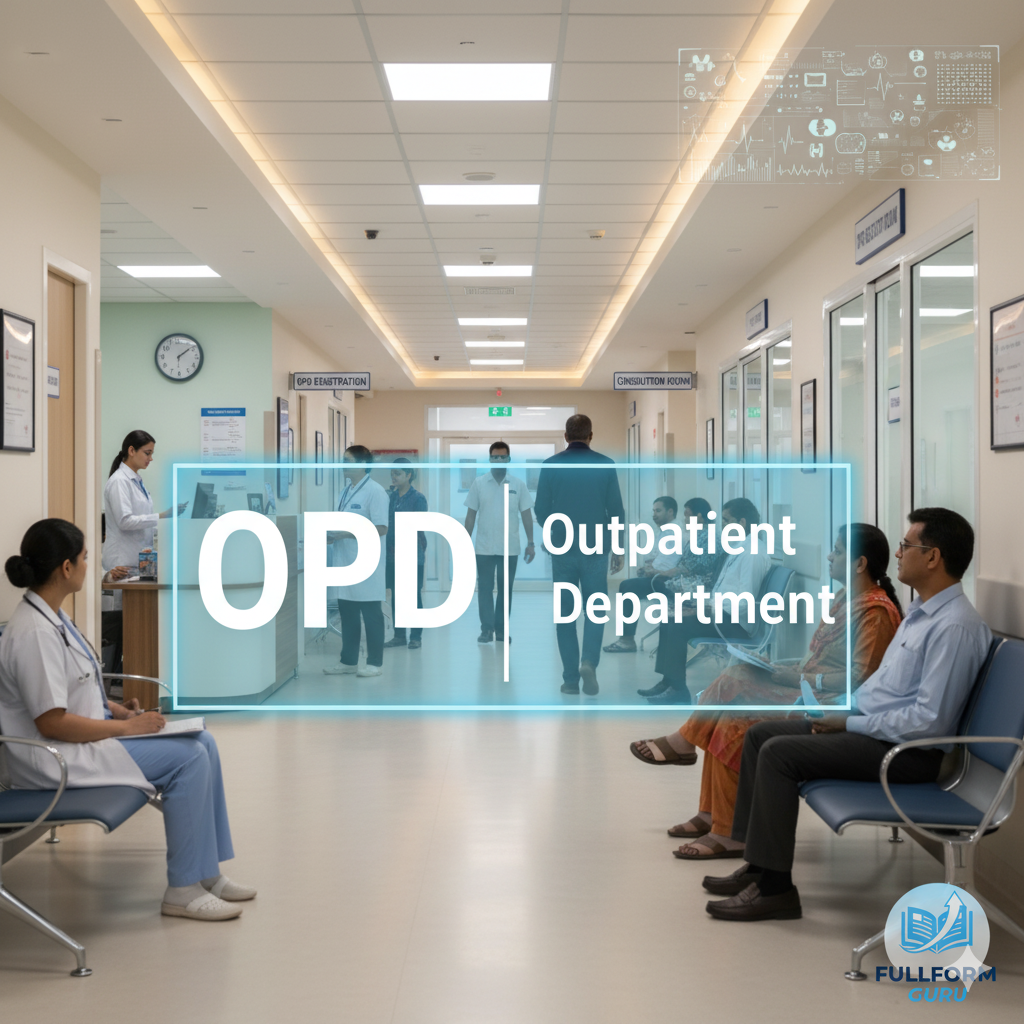
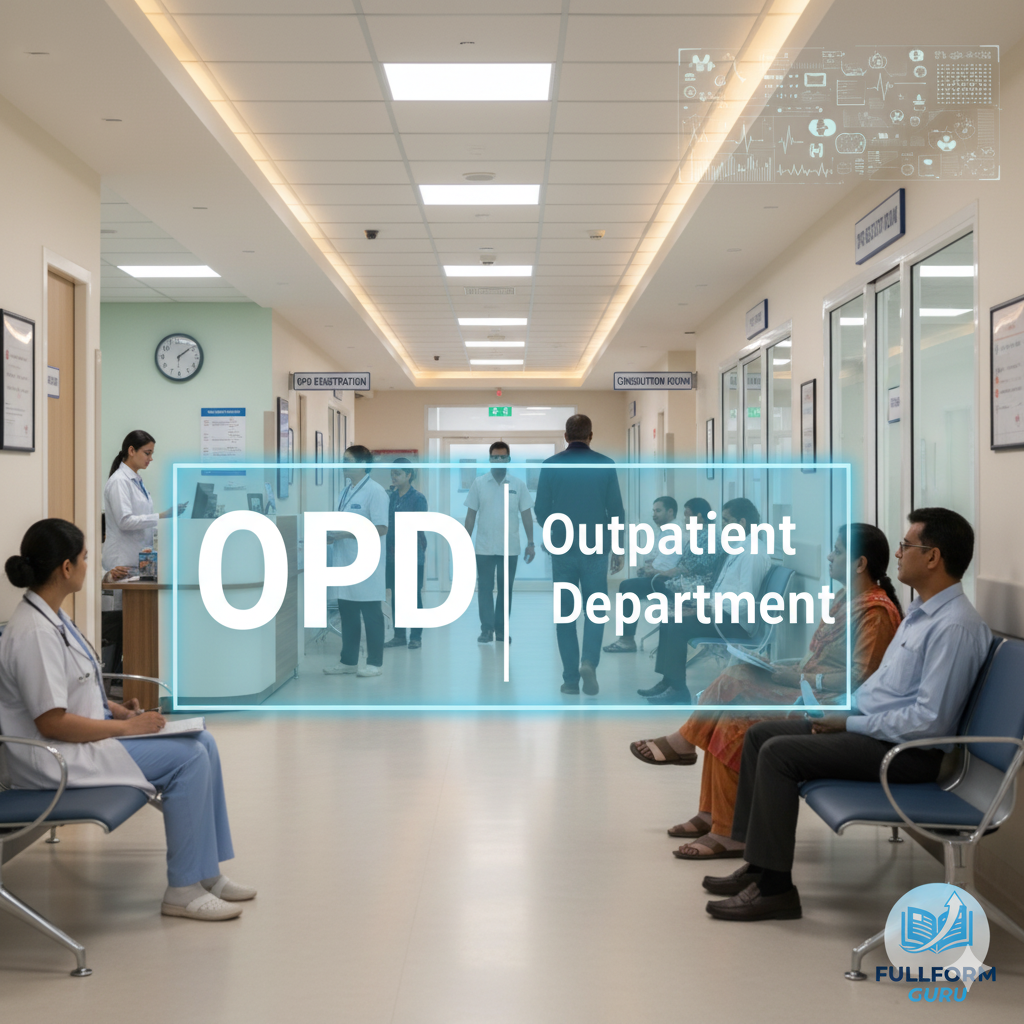
OPD Full Form is Outpatient Department ,In the healthcare system, one of the most essential and frequently used services is the Outpatient Department, commonly known as OPD. It plays a vital role in providing medical consultation, diagnosis, and minor treatments without requiring patients to stay overnight in a hospital. Understanding the OPD Full Form helps individuals recognize how outpatient services function efficiently in modern healthcare systems.
The OPD serves as the first point of contact between patients and healthcare institutions, offering accessible and efficient medical care. Knowing that what OPD stands for, along with its meaning and importance, helps individuals recognize how modern healthcare systems function worldwide.
Full Form and Meaning
The OPD Full Form is Outpatient Department, referring to the section of a hospital where patients receive care without admission. It refers to the section of a hospital or healthcare center where patients receive medical care without being admitted to the facility. The primary purpose of an OPD is to diagnose, treat, and manage various health conditions on an outpatient basis.
The concept of the OPD Full Form originated to make healthcare more accessible and cost-effective. Instead of staying in the hospital for minor treatments or check-ups, patients can consult doctors, undergo tests, and receive prescriptions within a few hours. This approach saves time, reduces hospital expenses, and enhances the overall efficiency of medical institutions.
Role and Importance of OPD
The Outpatient Department is the backbone of every hospital. It plays a crucial role in managing the majority of healthcare cases that do not require hospitalization. Understanding the OPD Full Form helps describe how hospitals organize outpatient services, manage patient movement, and use resources efficiently. The following points highlight its importance:
- First Point of Contact: OPD acts as the initial interaction point where patients meet doctors and receive advice or referrals.
- Efficient Use of Resources: It helps hospitals manage space and resources effectively by treating non-critical cases outside the inpatient wards.
- Cost-Effective Healthcare: Patients can receive timely treatment without the financial burden of hospital admission.
- Health Awareness and Prevention: OPDs contribute to preventive healthcare by offering regular check-ups and early diagnosis.
- Continuous Patient Monitoring: Many chronic diseases, such as diabetes or hypertension, require periodic follow-ups through OPDs.
In summary, the OPD helps ensure that healthcare is efficient, patient-centered, and economically sustainable.
Types of OPD Services
Outpatient Departments are categorized based on the type of medical service they provide. The major types include:
- General OPD: Provides basic consultations for common illnesses.
- Specialty OPD: Focuses on a particular medical field such as cardiology, neurology, or dermatology.
- Surgical OPD: Handles pre-surgical consultations and post-surgery follow-ups.
- Diagnostic OPD: Provides diagnostic services, including blood tests, X-rays, and other laboratory investigations.
- Emergency OPD: Provides medical care for patients requiring immediate attention without the necessity of hospitalization.
Each of these OPD types contributes to creating a comprehensive outpatient care system that meets diverse healthcare needs. The variety of services under the OPD Full Form ensures comprehensive patient care across multiple specialties.
Eligibility and Basic Requirements
Every patient can access OPD services regardless of age or health condition. However, there are some basic requirements to ensure proper treatment:
- A valid appointment or hospital registration
- Medical records or previous reports, if applicable
- Information about ongoing medication
- Identification documents, in some cases
Hospitals often have dedicated help desks to guide patients through registration and appointment scheduling.
Step-by-Step Process of an OPD Visit
During a visit, understanding the OPD Full Form helps patients follow procedures smoothly from registration to follow-up. The step-by-step flow is as follows:
- Registration: The patient registers at the reception desk, providing basic details and receiving an OPD card or token number.
- Consultation: The patient meets the doctor, who evaluates symptoms, conducts an examination, and suggests additional tests if needed.
- Diagnosis: If required, laboratory or imaging tests help confirm the medical condition.
- Prescription and Treatment: Based on the diagnosis, the doctor prescribes medicines or suggests minor procedures.
- Follow-Up: Patients may receive guidance to return to the OPD for monitoring progress or reviewing test results.
This organized process helps maintain transparency, accuracy, and convenience in patient care.
Preparation or Actionable Strategy for Patients
To make the most out of an OPD visit, patients should prepare properly before consulting a doctor. Some helpful strategies include:
- Carrying all previous medical records and prescriptions.
- Listing current symptoms clearly to avoid missing important details.
- Preparing questions related to treatment or medication.
- Arriving early to avoid delays or long queues.
- Following up as per the doctor’s recommendation.
These steps not only save time but also enable doctors to make accurate diagnoses.
Career Opportunities in OPD Management
The functioning of an Outpatient Department requires coordination among various professionals. Individuals interested in healthcare management can explore multiple career paths in this field:
- OPD Manager: Supervises the daily operations of outpatient services.
- Medical Assistant: Supports doctors throughout patient consultations.
- Receptionist or Registration Clerk: Manages appointments and patient data.
- Lab Technician: Conducts diagnostic tests within OPD facilities.
- Pharmacist: Provides prescribed medicines and patient guidance.
Such roles contribute to maintaining high-quality service standards and ensuring patient satisfaction. Professionals interested in the OPD Full Form can explore roles like OPD Manager, Medical Assistant, and Lab Technician.

Comparison with the Inpatient Department (IPD)
To better understand the OPD, it is helpful to compare it with the Inpatient Department (IPD). While comparing with IPD, knowing the OPD Full Form clarifies the outpatient focus and quick service nature. The following table highlights the differences:
| Aspect | OPD (Outpatient Department) | IPD (Inpatient Department) |
| Nature of Care | Short-term, non-admission-based | Long-term admission is required |
| Duration | Few hours | One or more days |
| Cost | Relatively low | Higher due to stay and facilities |
| Purpose | Consultation, diagnosis, and minor treatment | Major surgeries or critical care |
| Patient Movement | Patient goes home the same day | Patient stays in the hospital until recovery |
This comparison shows that while both departments are essential, OPD offers quicker and more accessible care for non-serious medical issues.
How to Get Started – Practical Steps
For hospitals or healthcare organizations aiming to establish or enhance their OPD system, the following practical steps can provide guidance:
- Plan Infrastructure: Design a comfortable and organized OPD area with clear signage.
- Implement Digital Registration: Introduce software solutions to organize appointments and patient records in a structured manner.
- Train Staff: Provide proper training for nurses, receptionists, and other medical personnel.
- Ensure Cleanliness: Maintain hygiene and safety to prevent infection.
- Monitor Feedback: Collect patient feedback regularly to improve service quality.
These steps ensure that the OPD functions efficiently and meets modern healthcare standards.
Common Mistakes or Myths to Avoid
Many people have misconceptions about OPD services. Some common mistakes or myths include:
- Believing OPD is only for minor diseases.
- Ignoring follow-up visits after consultation.
- Assuming that an OPD cannot provide a definitive diagnosis.
- Visiting without required reports or prescriptions.
Avoiding these mistakes helps patients receive more accurate and effective treatment.
Conclusion
The Outpatient Department (OPD) plays an indispensable role in making healthcare accessible, affordable, and efficient. It is the gateway through which millions of people receive medical attention worldwide. Understanding the OPD Full Form, along with its meaning and process, enables individuals to utilize healthcare services more effectively.
Whether for preventive check-ups, chronic disease management, or minor treatments, OPD facilities ensure that patients receive timely and quality care without hospitalization. Recognizing its value not only enhances health awareness but also motivates individuals to take responsibility for their well-being. The Outpatient Department is a cornerstone of modern healthcare, ensuring that medical assistance is accessible to all.